Have you ever stared at a blank document, wondering how in the world you’re supposed to write a freelance agreement draft? Trust me, I’ve been there—and it’s not fun. In fact, one time, I skipped drafting an agreement altogether and ended up working for “exposure.” Spoiler alert: My rent didn’t accept exposure as payment.
In this post, we’ll break down everything you need to know about creating a solid freelance agreement draft—from tools that save your sanity to tips that keep you from getting ghosted. By the end, you’ll have a blueprint for protecting yourself while growing your freelancing career.
Table of Contents
- Why Every Freelancer Needs a Solid Agreement
- Step-by-Step Guide to Drafting Your Freelance Agreement
- Tips and Tools You Can’t Ignore
- Real-World Examples That Worked Wonders
- Frequently Asked Questions About Freelance Agreements
Key Takeaways
- A freelance agreement draft protects both parties and sets clear expectations.
- Using financial tools like contract templates can cut hours off your prep time.
- Common mistakes include vague terms and forgetting to outline payment schedules.
Why Every Freelancer Needs a Solid Agreement

Imagine sending off a beautifully crafted project only to hear crickets from your client—or worse, they claim you never delivered what was promised. Without a freelance agreement draft, you’re playing Russian roulette with your income.
Here’s why having a solid document matters:
- Clarity: It spells out exactly what you’re delivering and when.
- Protection: Legal backup if things go south (and let’s face it—they sometimes do).
- Professionalism: Clients take you more seriously when you come prepared.
Step-by-Step Guide to Drafting Your Freelance Agreement
Step 1: Define the Scope of Work
This is where you get super specific. If you’re designing a logo, mention revisions allowed and file formats included. Avoid vague language like “making it look good” because, well, what does that even mean?
Step 2: Set Payment Terms
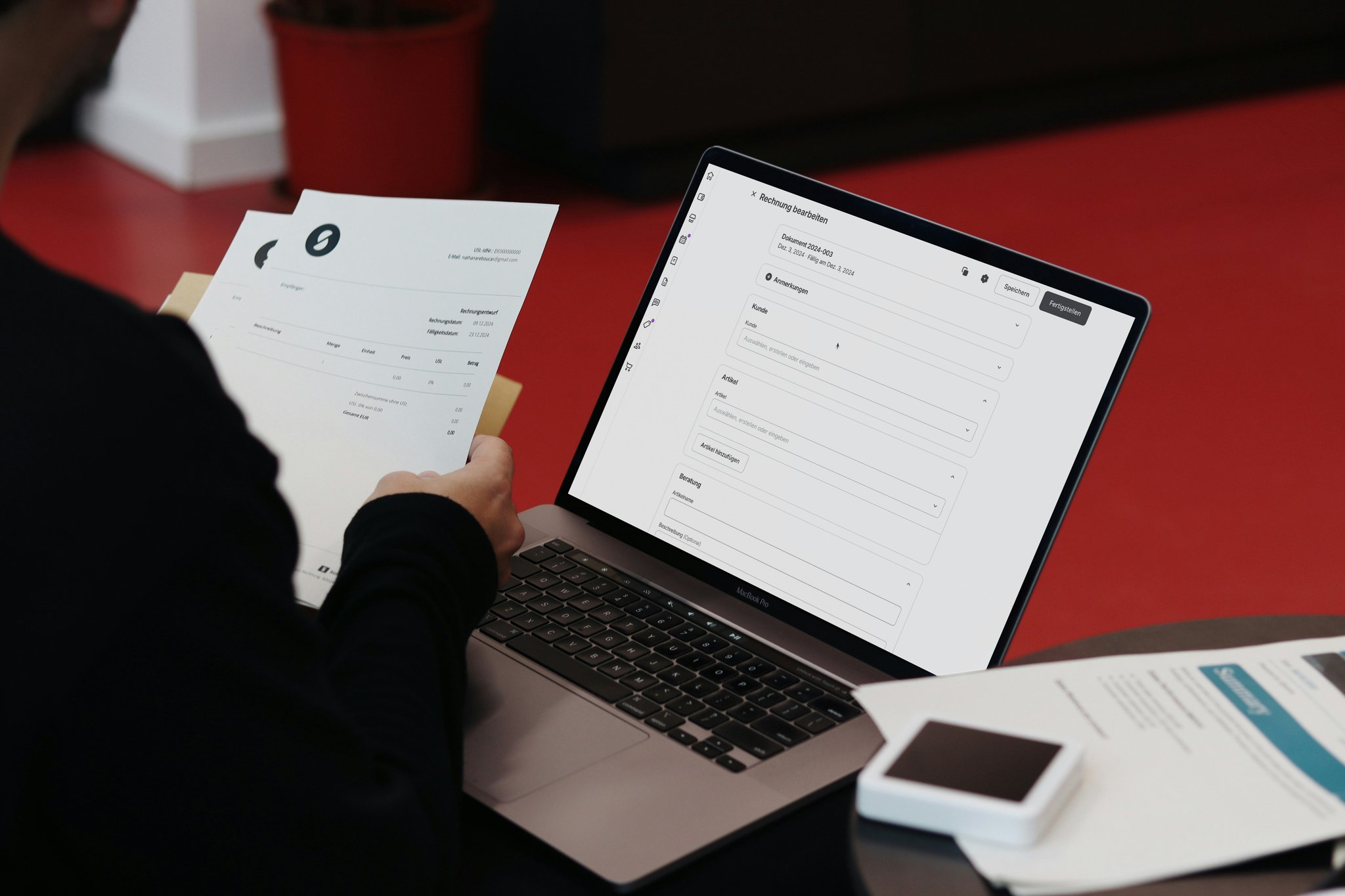
Will you charge hourly or per project? Specify milestones (e.g., 50% upfront, 50% upon completion). A handy tool here is FreshBooks, which lets you send invoices directly linked to your agreement.
Step 3: Include Deadlines and Deliverables
No one likes surprises. Lay out deadlines and explain consequences for missed ones on either side. This keeps everyone accountable.
Step 4: Add Legal Boilerplate
Even if you’re not a lawyer, including standard clauses like confidentiality and copyright ownership shows professionalism. Websites like LawDepot offer customizable templates.
Tips and Tools You Can’t Ignore
Now that you’ve got the steps down, let’s talk practical advice:
- Tip #1: Use apps like DocuSign or HelloSign for seamless signatures.
- Tip #2: Always double-check numbers. One typo could cost you big bucks.
- Tip #3: Terrible Tip Alert—DON’T use Google Docs publicly shared links unless you want your pricing strategy leaked faster than a celebrity scandal.
Real-World Examples That Worked Wonders
Take Sarah, a graphic designer who started using Bonsai to create her freelance agreement drafts. She went from earning $500 sporadically to booking consistent $2k+ projects—all thanks to professional-looking contracts.
Frequently Asked Questions About Freelance Agreements
Do I Really Need a Written Agreement?
Yes, always. Verbal agreements are like sandcastles at high tide—they don’t last long.
What Should Be Included in My Freelance Agreement Draft?
Scope, timeline, payment schedule, legal clauses, and contact info for all parties involved.
Can I Use Templates?
Absolutely! Just make sure to customize them for each client. Nobody wants cookie-cutter contracts.
Conclusion
Crafting a freelance agreement draft might seem daunting, but it’s worth every minute. With the right tools and mindset, you can protect yourself, impress clients, and build a sustainable career.
Remember: Like a Tamagotchi, your contracts need daily love and care. Happy drafting!
“Draft, revise, prosper / Contracts shield dreams from chaos / Coffee fuels the grind.”